Table of Contents
- The Label Lies, The Bowl Does NotSpecies-Appropriate Dog and Cat Food: Why High-Protein, Low-Carb Formulas Matter
- What “Complete and Balanced” Actually Means
- AllProvide’s Formulation PhilosophyFresh Whole Food with Rules
- Plain Formulation Terms for Dogs
- Cats Are in a Different League Entirely
- Dogs: Why High Protein and Low Carbs Is the Ideal Bowl
- BARF vs AllProvide
- Cats: Why the Ratio Tightens and the Rules Get Stricter
- Raw Ready-to-Cook vs Gently Cooked
- The Simplest Way to Expand Nutritional Territory
- FAQs
The Label Lies, The Bowl Does Not Species-Appropriate Dog and Cat Food: Why High-Protein, Low-Carb Formulas Matter
Why Formulation Matters in Fresh Pet Food. Walk down the pet food aisle or scroll through subscription-only, direct-to-consumer pet food service and you will see the same magic trick performed a hundred different ways. Lifestyle shot of happy pets. A pastoral font. A wolf silhouette. A “superfood” flourish. A clever promise that sounds like nourishment, while the formula quietly leans on cheap starch as the main event.
This is the part of the industry that irritates responsible pet parents the most: marketing and labels that read like health, but eat like filler. Ingredient splitting. Glossy language. “Healthy carbs” dressed up as virtue. Grains, barley, sweet potatoes, peas, lentils, chickpeas, then a wink and a smile as if your dog’s biology has been waiting for cereal.
Here is the uncomfortable truth that cuts through the marketing fog: dogs and cats do not require carbohydrates as a nutrient category, and neither species is built to thrive on bowls where starch is the structural foundation. Cats, especially, are obligate carnivores. Their physiology is not negotiating.
AllProvide Holistic Pet Food exists as an answer to that reality. Our formulas are designed to be species-appropriate, high-protein, low-carb, and “complete and balanced”, partnered with veterinarian Dr. Judy Morgan and other expert pet nutritionists. This is not raw or gently cooked feeding as an aesthetic. It's a nutrient-dense, biologically appropriate formulation architecture. This is Why Formulation Matters in Fresh Pet Food.
What “Complete and Balanced” Actually Means
“Complete and balanced” is not a tagline used by pet food manufacturers. It's essentially an AAFCO non-profit setter of standards. The adoption of these standards are interpreted by each state with the requirement for nutrient profiles or feeding trials, with the purpose of the label to distinguish primary diets from treats or snacks.AAFCO (Association of American Feed Control Officials) is an organization that sets these voluntary, science-based nutritional standards and labeling guidelines for pet food in the U.S. So while AAFCO offers a "voluneering" guideline for terms such as "complete and balanced diet", it's not a government body. However! every state (their feed control officials) often adopt these model regulations into law. Industry standard is to label food "complete and balanced," under their guidelines and manufacturers must comply with AAFCO nutrient profiles (minimum standards).
A food that is complete and balanced is designed to provide all essential nutrients in the correct proportions for the intended life stage. In other words, it is built to be fed as the primary diet, not as a supplemental treat topper that looks good on social media but collapses under daily reality.
This matters in the fresh food space, where pet parents often face a false choice: convenience versus correctness, or whole food versus nutritional rigor. The AllProvide promise is that you do not have to choose. You can feed minimally processed, real ingredients made from wholefoods, and you can feed with scientific expertise in species-appropriate formulation discipline.
AllProvide’s Formulation Philosophy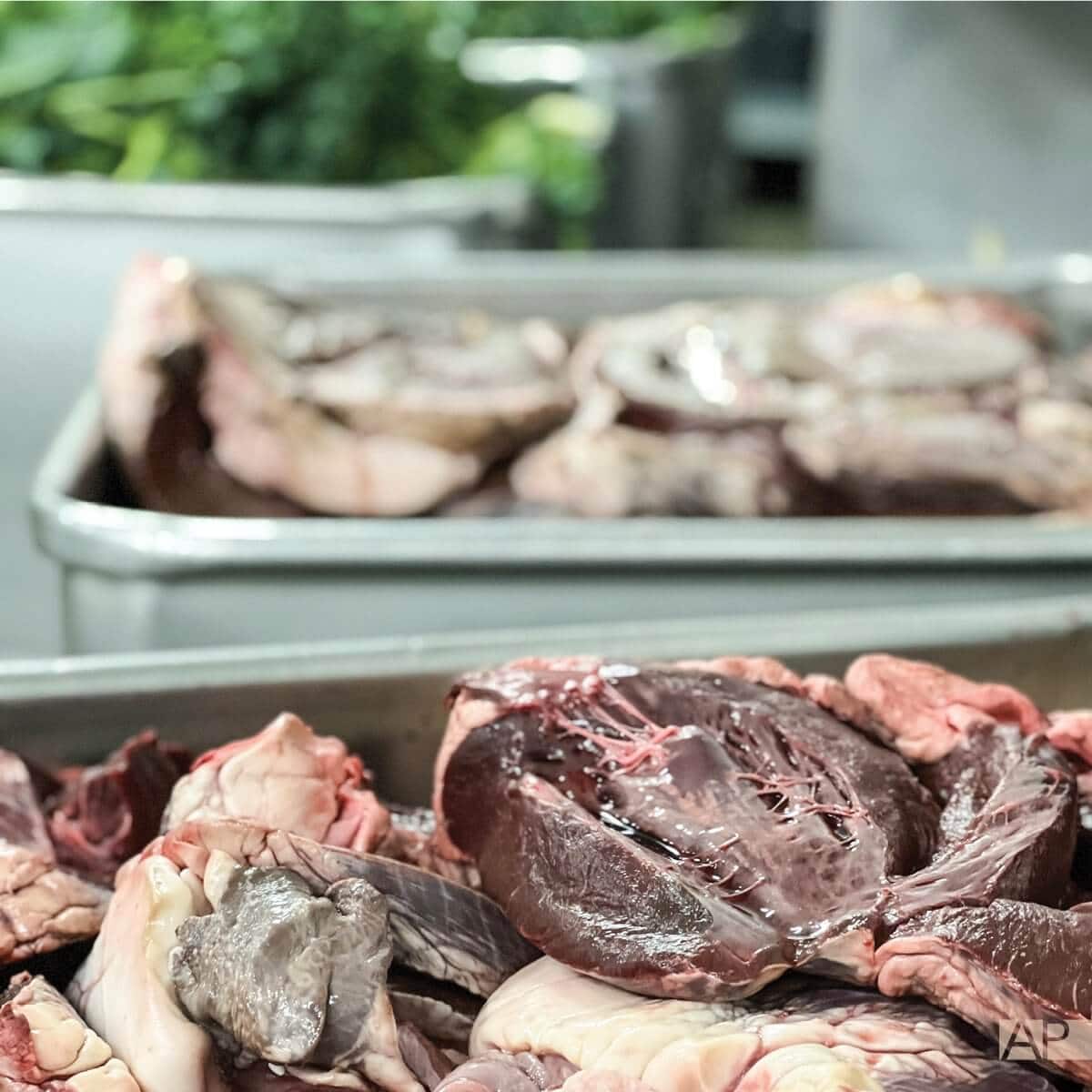 Fresh Whole Food with Rules
AllProvide’s guiding principle is simple: feed the animal, not the factory.
That means formulas anchored in animal-based nutrition, with wholefoods used as functional support, not carbohydrate scaffolding. It also means transparent sourcing and deliberate recipe design, rather than the “kitchen sink” ingredient lists where everything sounds wholesome but nothing is present in meaningful amounts.
Our full nutritional analysis is readily available, and ratio breakdown is showcased front and center. Learn more: How to Read Labels Like a Pro
 Plain Formulation Terms for Dogs
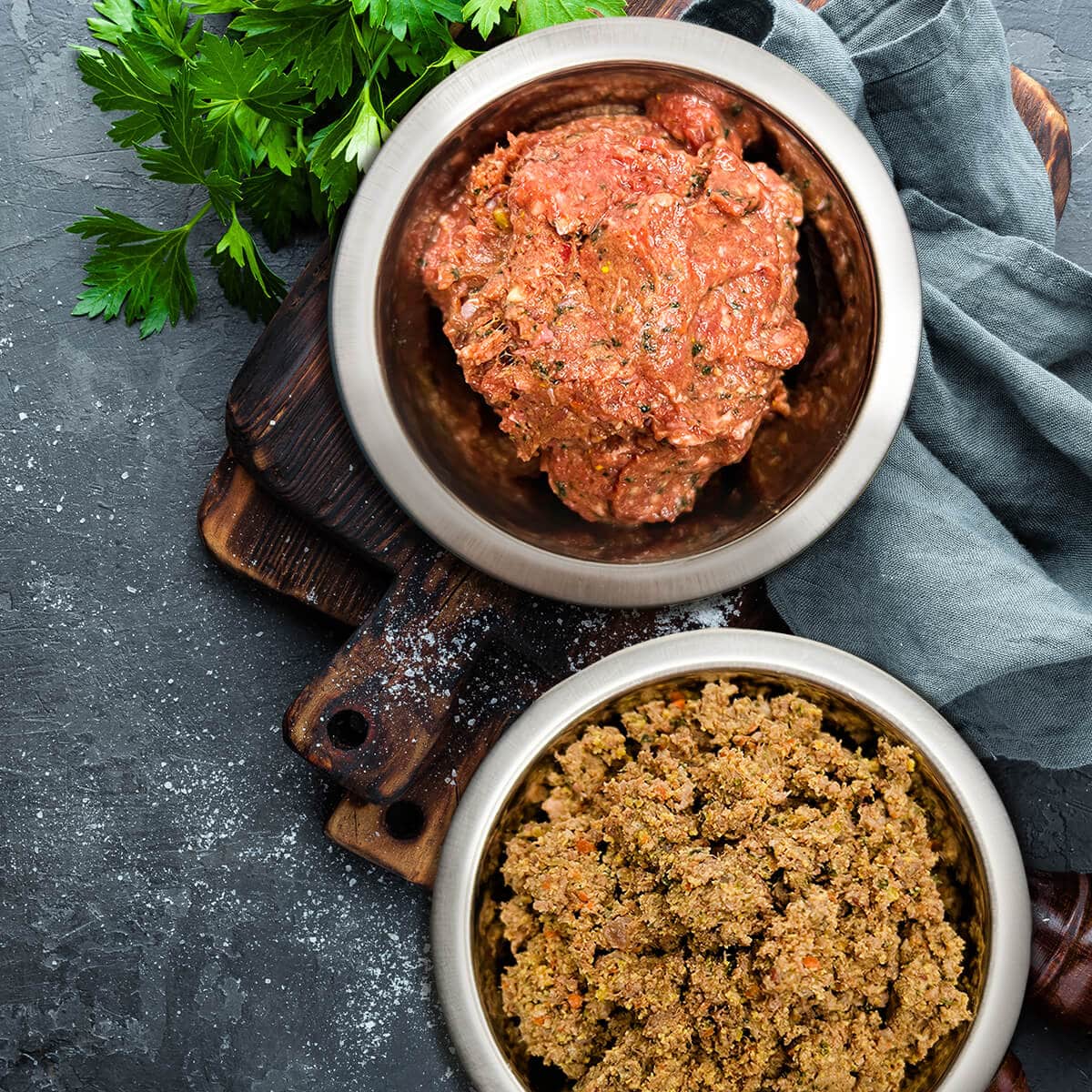
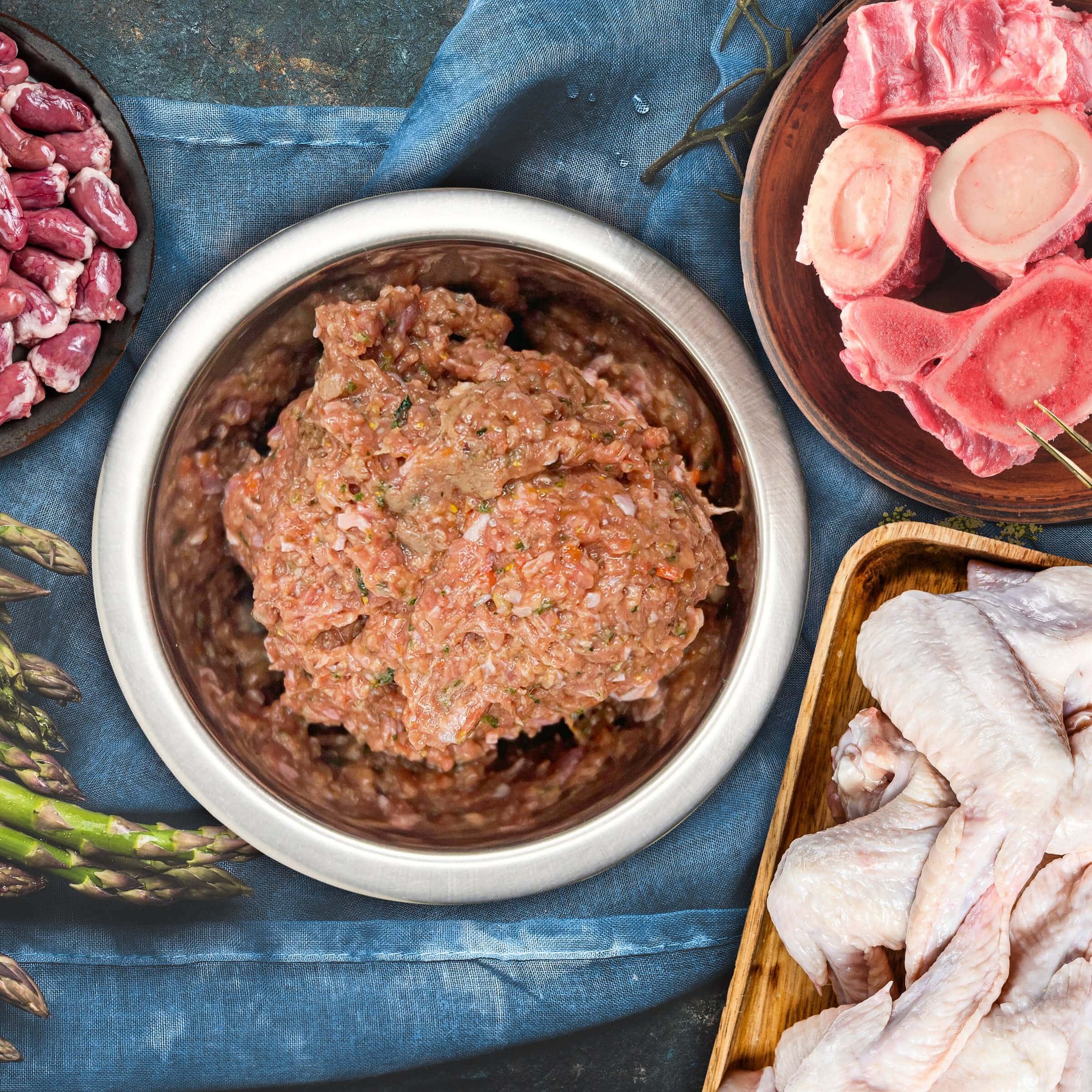
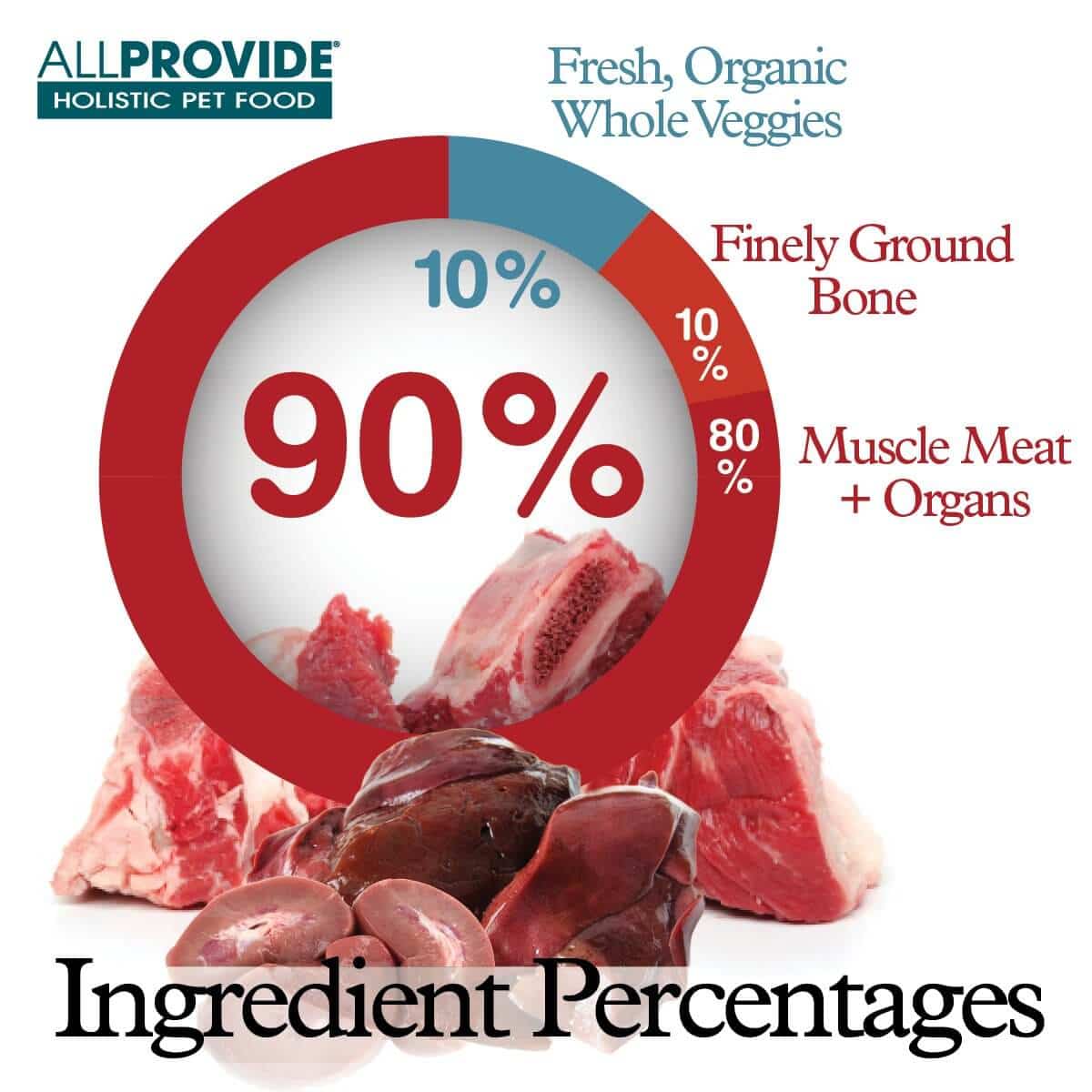
AllProvide’s Raw & Gently Cooked dog recipes are built around a single-sourced meat and organs as the first ingredient— a structure that aligns with the classic “prey-style” logic while remaining finished-food precise:
80% meat and organs (muscle meat plus secreting organs and healthy fats for amino acids, minerals, and fat-soluble nutrients)
10% finely ground bone (calcium and phosphorus in biologically familiar form)
10% wholefoods (organic vegetables and functional additions, such as butternut squash, beets, broccoli, plus nutrient-dense oils like wild-caught cod liver oil)
In the AllProvide ecosystem, wholefoods are there to round out micronutrients and phytonutrients, not to bulk the recipe into a starch-heavy calorie economy. The bowl remains what a dog is built to run on: protein and fat, with modest phynotnutrients for fiber inclusion.
Cats Are in a Different League Entirely
Cats require a tighter, more carnivore-forward ratio, and AllProvide manages that as non-negotiable.
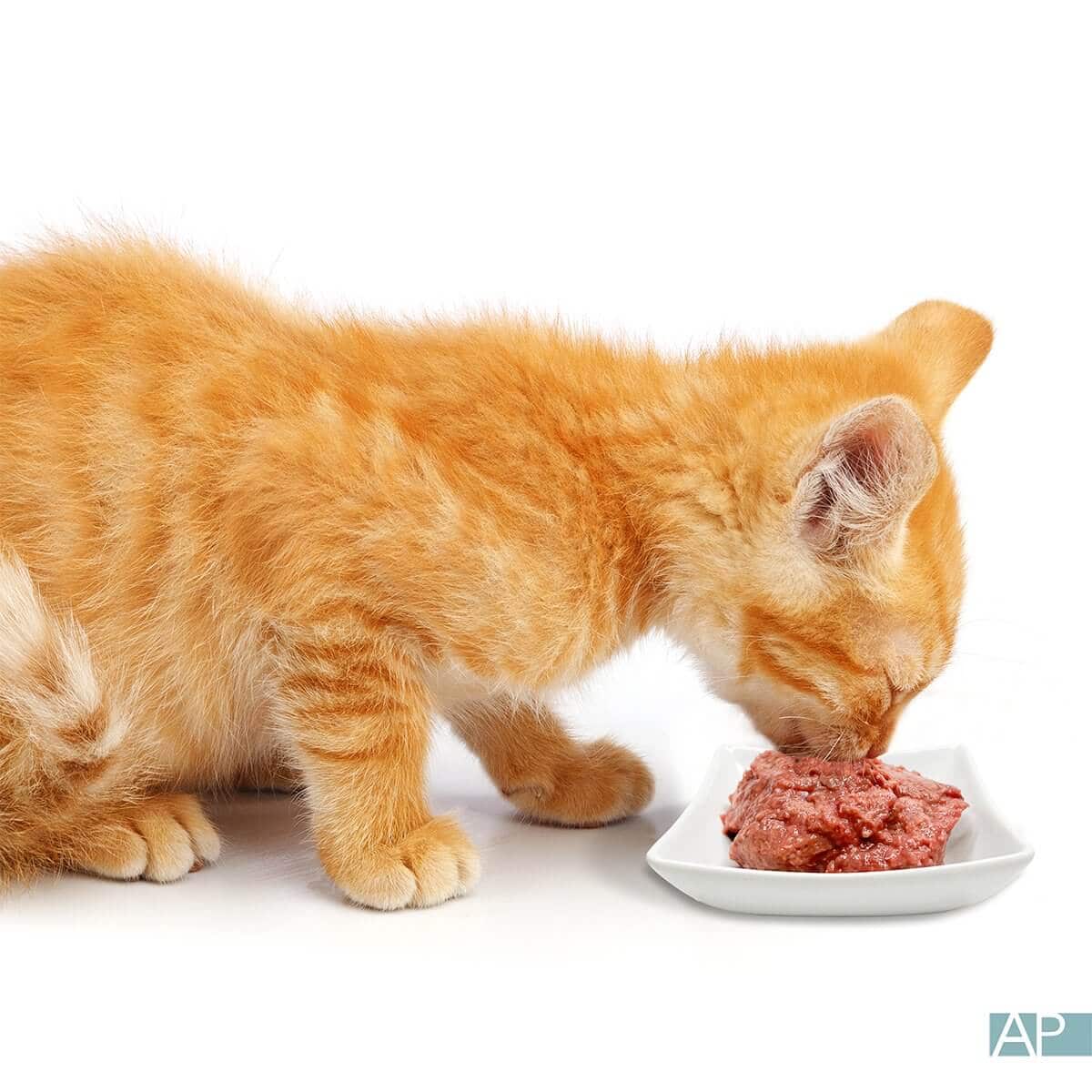
Our cat recipes are built on a 97% meat, organs, and bone framework, with 3% wholefoods as minimal functional support. The result is nourishing, full moisture, ultra-low-carb profile that respects the biology of an obligate carnivore.
Cats are not small dogs. They are precision hunters with metabolic rules.
 Dogs: Why High Protein and Low Carbs Is the Ideal Bowl
Dogs can digest carbohydrate. That is not the debate. The debate is whether carbohydrates should be the primary fuel source and primary ingredient mass in a daily diet.
A carb-heavy bowl tends to do a few predictable things:
It inflates calories without building tissue.
Muscle, connective tissue, enzymes, immune proteins, coat quality, and recovery are built from amino acids and fats, not from starch fillers.It fuels the wrong kind of “energy.”
Starch converts to sugar, sugar drives insulin, and insulin volatility tends to show up as hunger spikes, energy swings, and weight management challenges.It crowds out nutrient density.
When a formula relies on starch for structure, it often requires synthetic fortification to compensate for what processing removed and what the recipe never had in the first place.
A protein-forward, low-starch formula is metabolically ideal. Steadier satiety. Higher bioavilability. Healthier microbiome. Cleaner stool. Better body composition. The bowl feels less like an endless snack cycle and more like actual nutrition, hence why formulation matters in fresh pet food.
BARF vs AllProvide
Similar premise, different execution
The BARF philosophy, often associated with Dr. Ian Billinghurst, is built around a biologically appropriate, evolutionary diet. In common shorthand, BARF is frequently described as something like:
65–70% meat
10% bone
10% organ
10–15% plant matter
BARF can be an excellent framework, particularly when it keeps plant matter modest and treats animal nutrition as the foundation.
Where AllProvide differentiates is in the practical realities of finished food:
Formulation discipline: vegetables and fruit do not get to creep upward just because the ingredient list looks pretty.
Complete-and-balanced rigor: the recipe is built to stand alone nutritionally, not to rely on best guesses and good intentions.
Carb restraint: wholefoods are present for function, not as a bulk ingredient that turns the bowl into a starch delivery system.
This is “biologically appropriate” with the guardrails on.
Cats: Why the Ratio Tightens and the Rules Get Stricter
If dogs are flexible carnivores, cats are committed carnivores. They are obligate carnivores, and their bodies demand that you respect that.
Moisture is not a luxury for cats
Cats are built to get much of their water intake from prey. They are famously poor at drinking enough water to compensate for dry diets. When you feed a moisture-poor bowl, you ask the cat to do physiological gymnastics to stay hydrated.
A prey-style, high-moisture diet supports normal hydration patterns and urinary tract resilience. The bowl becomes closer to what their bodies recognise.
Taurine and arginine are not optional
Cats require specific amino acids at meaningful levels. Two stand out as hard lines:
Taurine, essential for cardiac and ocular health
Arginine, essential for ammonia detoxification, and deficiencies can become acute and dangerous
Cats cannot “make do” with carbohydrate calories and vague protein sources. They require animal-based nutrition that delivers the amino acid profile their bodies cannot synthesise sufficiently.
Carbohydrates do not belong at the centre of a cat’s diet
Cats are not designed to process high-carbohydrate diets efficiently. Their metabolic machinery prioritises protein and fat. A cat bowl built on starch is not species-appropriate, even when it is wrapped in boutique branding.
This is why the AllProvide cat ratio is different, tighter, and unapologetically rich in single-sourced meat and organs.
Raw Ready-to-Cook vs Gently Cooked
Two paths, same core philosophy
AllProvide gives pet parents two different formats without changing the nutritional backbone.
Raw Ready to Cook product lines for dogs and cats are for households that want a raw approach with the practicality and choice of how they want to prepare and serve food for their pets. It is also built for protein rotation and long-term consistency.
Gently Cooked product lines for dogs and cats are for pet parents who want fresh food with light transformation. Steamed at low temperature for a short period, designed to retain nutritional integrity while meeting households' desired feeding preferences.
Both formats are nutrient-dense, and designed as complete and balanced diets.
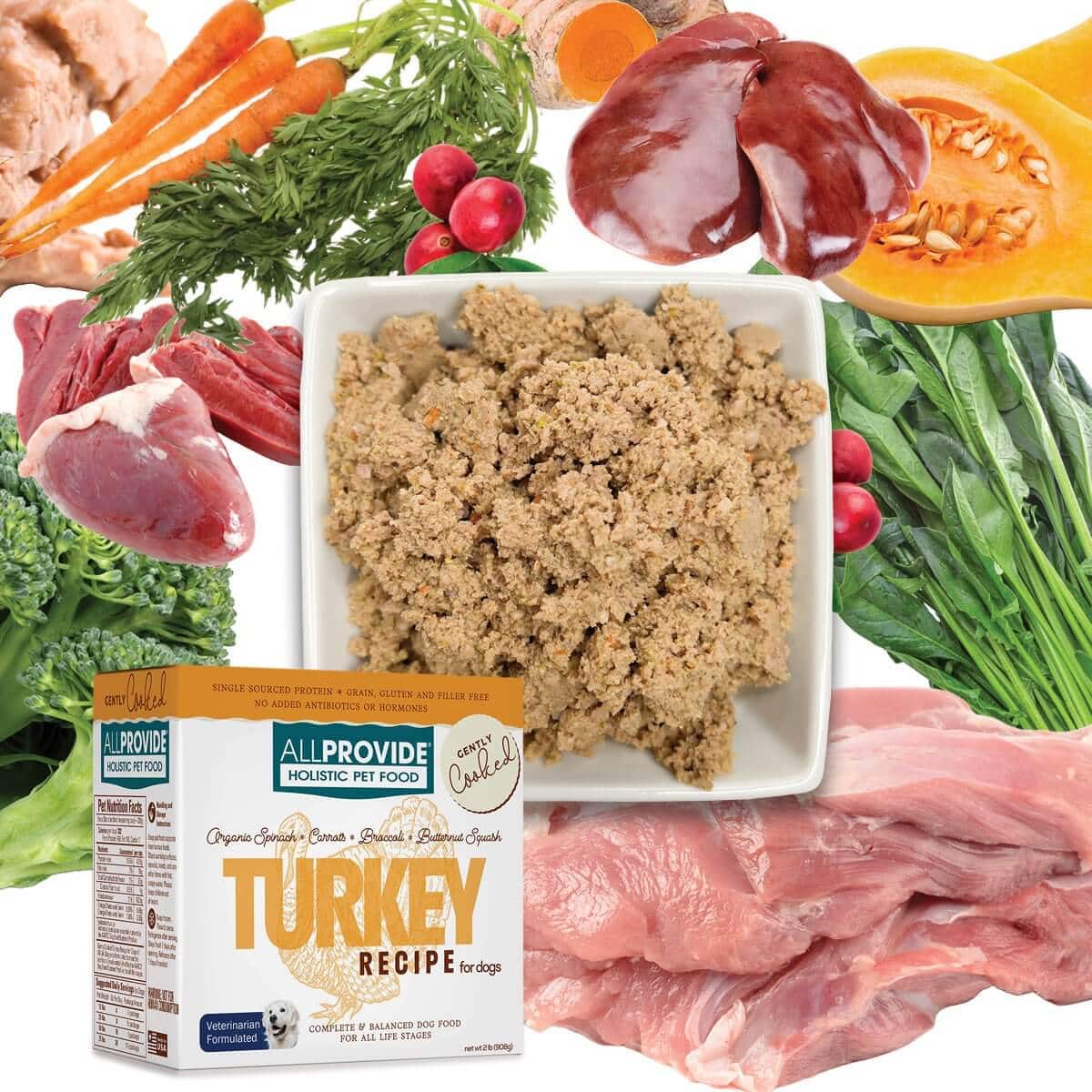 Gently Cooked Turkey Recipe for Dogs
Dog Gently Cooked Turkey 1lb
$10.35
1lb (16oz) vacuumed-sealed pouch Complete and balanced recipe for dogs of all stages. Full of protein, low in fat, and rich in essential amino acids and omega-3 fatty acids. Excellent source of B2, B6 and B12, zinc, iron, selenium, chondroitin… read more

Gently Cooked Turkey Recipe for DogsDog Gently Cooked Turkey 1lb
$10.35
1lb (16oz) vacuumed-sealed pouch Complete and balanced recipe for dogs of all stages. Full of protein, low in fat, and rich in essential amino acids and omega-3 fatty acids. Excellent source of B2, B6 and B12, zinc, iron, selenium, chondroitin… read more

Raw Ready to Cook Diets for Dogs
A protein-rotatable lineup built for dogs, featuring: Beef, Chicken, Pork, Turkey, and Rabbit, with thoughtfully selected wholefoods and functional oils that support nutrient density without inflating carbohydrates.
Shop Raw Ready to Cook Diets (Dogs)
Gently Cooked Diets for Dogs
Featuring: Beef, Chicken, Pork, and Turkey. Fresh food for dogs that prefer lightly cooked meals, designed to preserve nutritional integrity while remaining complete and balanced.
Shop Gently Cooked Diets (Dogs)
Diets for Cats
Formulas designed specifically for feline biology, built around the 97/3 approach, rich in meat and organs, essential amino acids, and high in natural moisture.
Shop Raw Ready to Cook Cat Food
Shop Gently Cooked Cook Cat Food
The Simplest Way to Expand Nutritional Territory
Protein rotation offers diversification of nutrients.
Different proteins bring different amino acid nuances, fatty acid profiles, micronutrient strengths, and tolerability patterns. Rotation can also reduce boredom and help pet parents avoid leaning too heavily on a single protein source for years.
AllProvide makes rotation easy with a strong bench of core proteins: Beef, Chicken, Pork, Turkey, and Rabbit
Rabbit, in particular, is valuable as a novel protein option for food-sensitive dogs, while beef and pork can provide richer nutrient density for dogs who thrive on higher energy intake. Turkey often plays well for pets who do better with a leaner profile. Chicken remains a foundational staple for many households.
Simple rotation rhythm:
Rotate weekly, or
Rotate every 2 to 4 weeks, using two proteins per month
Consistency comes from complete-and-balanced formulation. Variety comes from rotating proteins.
Summary
The Label Lies, The Bowl Does Not
Why Formulation Matters in Fresh Pet Food
The modern pet food industry has become exceptionally skilled at making starch sound like care. It is clever, and it is profitable, and it often leaves pets doing the metabolic work of compensating for a bowl that was never built for them.
AllProvide takes the opposite approach: a species-appropriate blueprint designed around animal-based nutrition, carbohydrate restraint, and complete and balanced formulation, partnered with Dr. Judy Morgan and expert pet nutritionists.
This is what real food looks like when it is designed by Mother Nature.
FAQs
Do dogs need carbohydrates in their diet?
No, carbohydrates are not an essential nutrient category for dogs. They can use carbs, but they do not require them, and many do best when carbs are not the dietary foundation.
Why are high-protein, low-carb diets ideal for many dogs?
Dogs thrive when the bowl prioritises amino acids and fats for lean tissue, satiety, and steady energy, instead of relying on starch as the primary calorie source.
How do I know if a pet food is carb-heavy?
Look at the ingredient list for multiple starch sources near the top and check the guaranteed analysis or as-fed carbohydrates when available. Many ultra-processed diets rely on starch for structure.
Why can “healthy” starches still be a problem in pet food?
“Healthy” starch is still starch. It breaks down into sugar, can increase insulin demand, and often replaces the nutrient density that comes from animal-based ingredients. Cancer also feeds off of sugar.
What does “complete and balanced” mean for dog and cat food?
It means the recipe provides all essential nutrients in the correct proportions for the intended life stage, so it can be fed as the primary diet, not just as a topper, limited-ingredient diet, treat, or supplement.
What does “ratio-based feeding” mean?
It refers to building the diet around proportions of muscle meat, organs, bone, and wholefoods. Ratios guide the structure, while formulation ensures nutrient sufficiency.
Can I feed AllProvide as the sole diet?
Yes, our recipes are formulated as complete and balanced for your pet’s life stage. It's designed to be fed as the primary diet. For an additional superfood booster, we highly recommend adding our Cultured Raw Goat Milk to any diet because of it's remarkable health benefits.
Why does proper formulation matter more than a long ingredient list?
A long list can be marketing. Proper formulation is nutrient math: the right amounts of protein, fat, minerals, vitamins, and amino acids in the ratios your pet’s body can actually use.
What is the difference between “species-appropriate” and “natural” pet food?
“Natural” is often a label claim. Species-appropriate describes a biological target: meat-forward nutrition, minimal starch, and moisture and amino acid priorities that match the animal.
What is the BARF diet, and how is it different from AllProvide’s approach?
BARF is an evolutionary feeding framework that often includes meat, bone, organs, and plant matter. AllProvide keeps the biological premise, but builds recipes to be complete and balanced, with disciplined ratios and a low-starch profile.
Is “prey model” the same as BARF?
Not exactly. Prey model typically excludes plant matter and aims to mimic whole prey composition. BARF often includes vegetables and fruit as part of the framework.
Raw Ready to Cook vs Gently Cooked, which should I choose?
Choose Raw Ready to Cook if you want a raw approach with personal choice of how to serve. Choose Gently Cooked if your household prefers lightly cooked food while staying minimally processed, fresh, and nutrient-dense. Both can be species-appropriate; choice depends on household comfort, pet preference, and transition needs.
Why is finely ground bone used in fresh diets?
It provides calcium and phosphorus in a biologically familiar form and supports skeletal health when included at appropriate levels.
Are grain-free diets automatically healthier?
Not necessarily. Grain-free can still be starch-heavy if it relies on potatoes, peas, legumes, or tapioca as primary ingredients.
What are common signs a diet is not working for my pet?
Persistent itching, recurrent ear issues, chronic loose stool, excessive gas, dull coat, weight gain, or constant hunger or thrist can signal that the bowl is not aligned with the pet’s biology. Look for a lack of appetite or enthusiasm as it could also indicate underlying health concerns.
Why rotate proteins for dogs and cats?
Rotation broadens the nutritional profile across amino acids and fats, reduces boredom, and can help some pets avoid sensitivity patterns from long-term reliance on a single protein.
How often should I rotate proteins?
Many pet parents rotate weekly or every 2 to 4 weeks. The best rhythm is the one you can sustain consistently.
Why are cats considered obligate carnivores?
Cats are biologically designed to run on animal tissue. They require specific nutrients found in meat, including taurine and arginine, and they do best with a moisture-forward diet.
Why does moisture matter so much for cats?
Biologically, cats are built to get much of their water from prey. A high-moisture diet supports normal hydration patterns and helps the body do less compensatory work.
Why do cats need taurine and arginine?
Cats cannot produce enough of these essential amino acids on their own. They are required for normal function, and deficiency can become serious quickly. Synthetics are NOT RECOMMENDED.
Why do cats need a different ratio?
Cats are obligate carnivores with prey-style moisture and amino acid needs, including taurine and arginine.