Table of Contents
Cultured Raw Goat Milk for Pets: Little Superfood. Big Benefits.
Crème de la Culture
Cultured Raw Goat Milk for Pets: Little Superfood. Big Benefits.
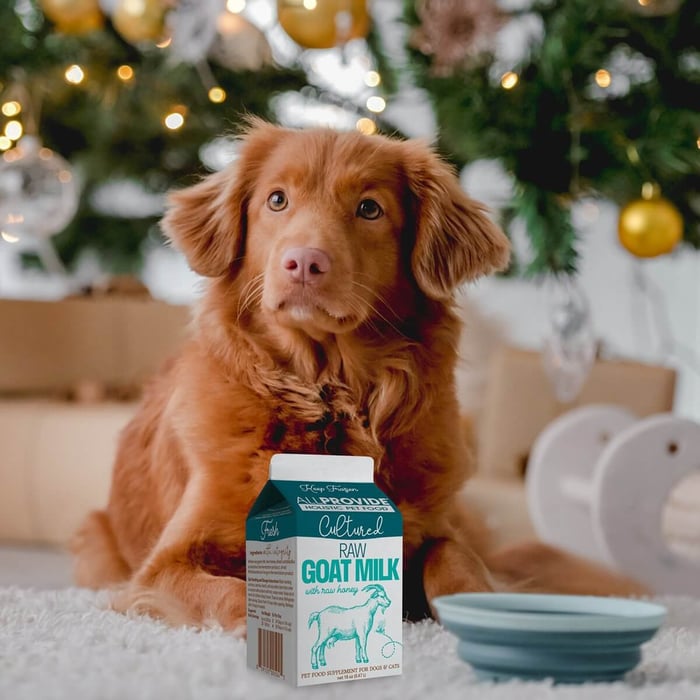
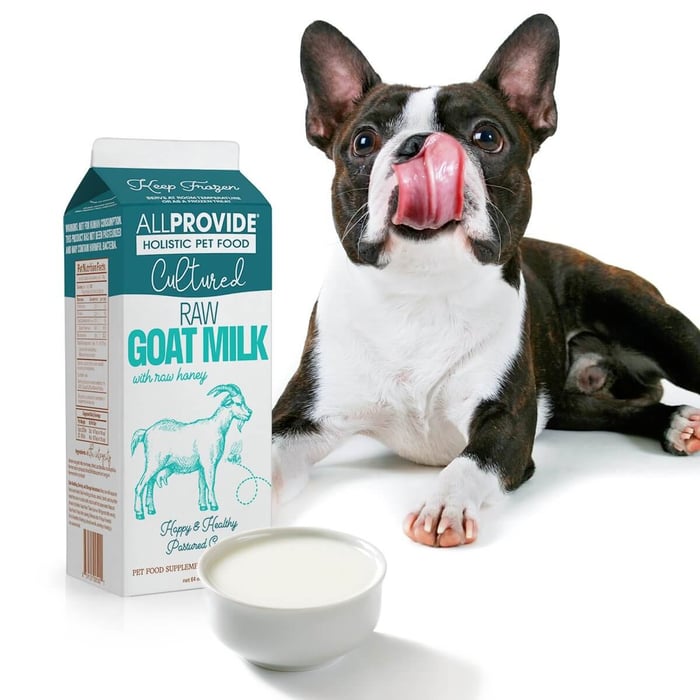
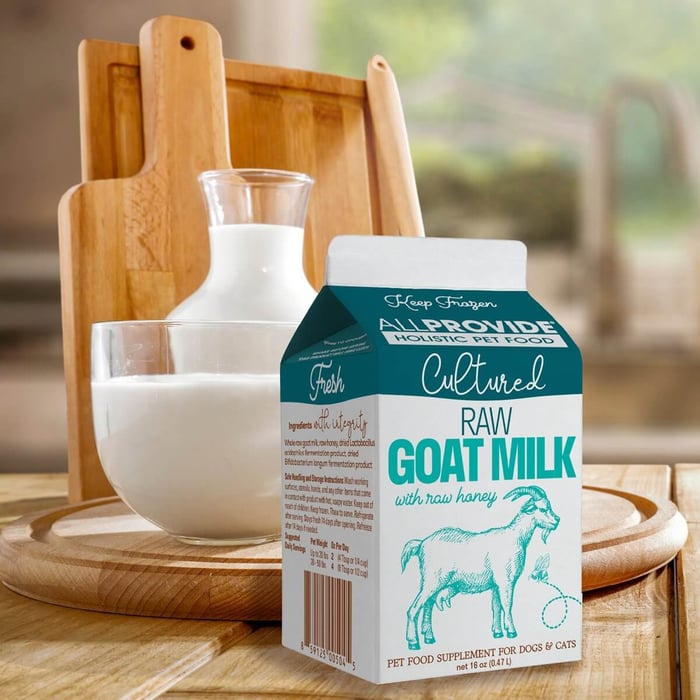
Pull up a bowl. AllProvide proudly carries Cultured Raw Goat Milk, a wholefood supplement for dogs and cats that functions like a tiny nutritional orchestra. It is fresh, full-fat, and bursting with life. A silky, creamy white milk swirling with living enzymes, diverse probiotics, and naturally occurring vitamins and minerals that pets lick clean. The result is quick absorption, calm digestion, better hydration, and a happier microbiome. In short, a small pour that plays big.
Little Slurp, Big Balance
This is unpasteurized, grassfed goat milk that we culture through a guided wild fermentation. We begin with raw milk teeming with its natural microbes, add raw wild honey to supply enzymes and pollen flora, and introduce select starter cultures to steer the fermentation in a stable direction. The process takes place at a cool 42°F, which favors beneficial lactic acid bacteria and protects heat-sensitive nutrients.
The outcome is a probiotic community with an extraordinary range, comprising more than 3,000 strains and 200 species, all alive and active in their natural food matrix. Each ounce contains healthy fats, high-quality proteins, essential fatty acids, and a diverse array of enzymes and micronutrients. Designed by nature to be bioavailable, it is easily digestible and supports gut, skin, and immune health. Serve it at room temperature for the most whole live benefit, or pour it over any meal for an instant nutritional upgrade.
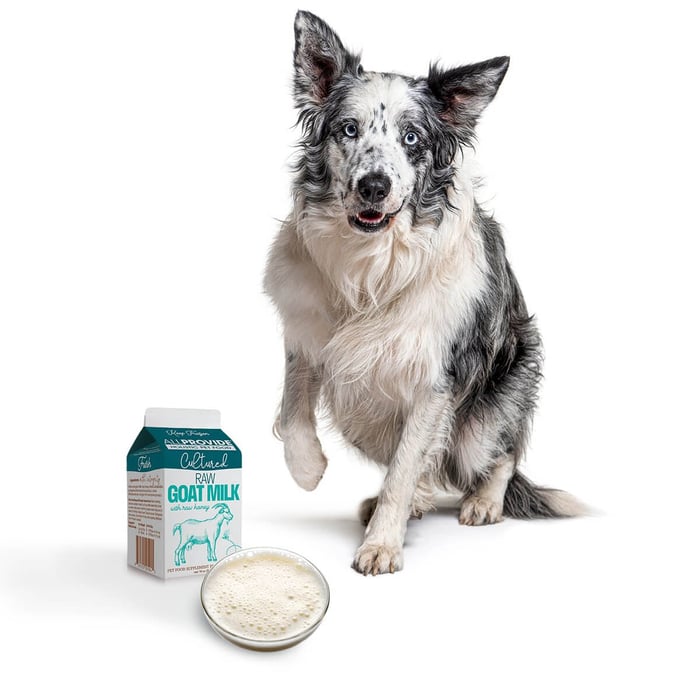
The Short List: What Your Pet Gets
• Full-fat dairy balanced by nature
• Naturally occurring enzymes, prebiotics, probiotics, antioxidants, essential fatty acids, and trace minerals
• A rich source of taurine, omega-3s, and vitamin K2
• Billions of live microbes form a complex, seasonal community
• Food-state cofactors that help the body unlock and use nutrients
• Serves as a superfood nutritional booster, a supplemental topper to any meal
Cultured Raw Goat Milk: Now Available in Pints & Half Gallons
Understanding the Process: Fermentation, Wild, Cultured, and Guided Wild Fermentation
Before we crown a winner, it’s helpful to understand how each process differs and why our Cultured Raw Goat Milk stands out in a class of its own.
 Graph: Different Types of Fermentation
Fermentation
Fermentation is the natural process by which microbes transform food. During this process, bacteria and yeasts produce organic acids, enzymes, and beneficial compounds that alter the flavor, texture, and nutritional value. Fermentation may be guided, when specific microbes are added, or unguided, when nature acts on its own. All other methods, including those using cultured and wild organisms, fall under this broad umbrella of fermentation.
Wild Fermentation
Wild fermentation occurs without the addition of a starter. The microbes already living in the raw milk and environment initiate the change. Diversity is high, but outcomes differ depending on temperature, season, and local flora. Wild ferments can be deliciously complex, though less predictable in acidity or flavor.
Cultured Fermentation
Culturing uses preselected starter cultures to direct fermentation. The aim is control, consistency, and food safety. Most commercial yogurts, kefirs, and cheeses are made this way. Pasteurized or raw milk can be cultured, but ultra-high-temperature milk (pasteurization) is unsuitable because heat damages the proteins and enzymes that microbes need. Cultured fermentation is stable and reliable, yet it can produce a narrower microbial spectrum.
Cultured Guided Wild Fermentation: Our Method
Our approach lies between the two worlds. We preserve the wild microbial richness of raw milk while guiding it with care. Guided wild fermentation begins with raw milk full of native microbes, adds raw honey for its natural pollen flora, and introduces select starter cultures that gently steer fermentation. The process supports and balances the wild community, rather than replacing it. Cool fermentation at about 42°F favours beneficial lactic acid bacteria and discourages unwanted species.
The result is a living food with both breadth and stability: thousands of strains thriving together, naturally harmonised for health and flavour.
 Why It Is Labelled "Cultured" not "Guided Wild Fermentation”?
Technically, our milk is cultured and is labeled as such on the packaging because we add specific starter microbes. However, calling it merely “cultured milk” would understate what makes it distinctive. Traditional cultured milk, such as yogurt, relies on a small number of starter strains that replace the native flora, usually after pasteurization. Guided wild fermentation keeps that flora alive. The selected cultures guide and stabilise rather than dominate.
Our product blends the safety and consistency of cultured fermentation with the diversity and resilience of wild fermentation. Labelling it simply “cultured” would suggest a standard, narrow process. In truth, it represents an advanced form of fermentation that preserves life rather than limiting it. That is why we describe it as cultured raw goat milk created through guided wild fermentation—a process that unites diversity and dependability.
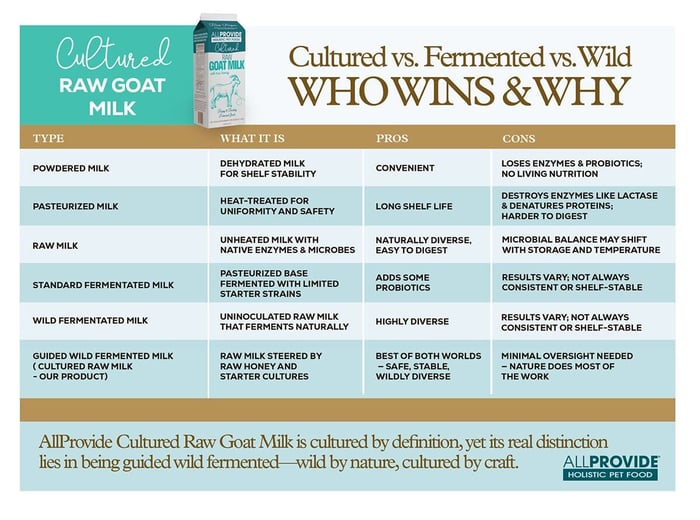 Graph: Different Types of Milk Products
Graph: Different Types of Milk ProductsCultured vs Fermented vs Wild: Who Wins & Why
Milk may seem simple, yet each kind tells a different story. Powdered and pasteurized versions are tidy, shelf-stable, and lifeless. They lose their natural enzymes, probiotics, and vitality. Raw milk keeps its gentle charm and easy digestibility, especially from goats with their silky, small fat globules. Standard fermented milks add some probiotics but often start, but not always, with pasteurized milk and end predictable. Wild ferments can bloom with diversity, yet results shift with every batch. Guided wild fermentation brings the balance. Raw milk, raw honey, and select cultures are cold-fermented for stability, safety, and rich complexity. The result is a living, nourishing superfood that feeds the gut as nature intended. Here are some outlined key differences:
Powdered Milk
Convenient but lifeless. High heat removes enzymes and probiotics. Not a living food.
Pasteurized Milk
Uniform and long-lasting, yet heat destroys delicate enzymes such as lactase and alters immune proteins. Many pets digest it poorly.
Raw Milk
Naturally diverse and gentle. Goat milk’s smaller fat globules and distinctive proteins are easy for many pets to digest.
Standard Fermented Milk
Usually made from pasteurized milk, but not always, with a narrow starter culture. Gains some probiotics but loses much of the raw milk’s living matrix if pasteurized.
Wild Fermentation Alone
Driven solely by ambient microbes. Diversity can flourish but outcomes are inconsistent.
Guided Wild Fermentation (ours) - Cultured
Raw milk plus raw honey and select starter cultures fermented cold for balance and safety. The result is broad, resilient, and stable.
Verdict - Surprise! Surprise!
Cultured Raw Goat Milk with it's guided wild fermentation achieves the best of both worlds. It preserves the vitality of raw milk and amplifies it with probiotic diversity and structure. Delivered as food, these microbes arrive with enzymes, organic acids, and natural cofactors that help them survive through the gut, making this milk far more effective than isolated powders or capsules.
Stir in the Good Life
A single splash adds moisture to the kidneys and supports digestion with enzymes for enhanced absorption, as well as probiotics for gut-immune balance. Raw feeders gain microbial depth, cooked feeders restore live enzymes, and even kibble eaters receive a nutritional boost that transforms routine feeding into a wellness ritual.
No, It's Not Sweet. Nor Does It Contains Sugar.
Raw honey is added to guide fermentation, not to sweeten. During fermentation, microbes consume the honey’s sugars and much of the lactose, converting them into lactic acid and other beneficial compounds. The finished milk tastes pleasantly tangy, not sugary, which also makes it easier to digest for pets sensitive to ordinary dairy.
Digestive Comfort
Fermentation pre-digests lactose and preserves lactase, so even pets sensitive to pasteurized dairy usually tolerate this milk well. Goat milk’s naturally smaller fat globules and unique proteins further support gentle digestion.
Ingredients, The Way They Should Be
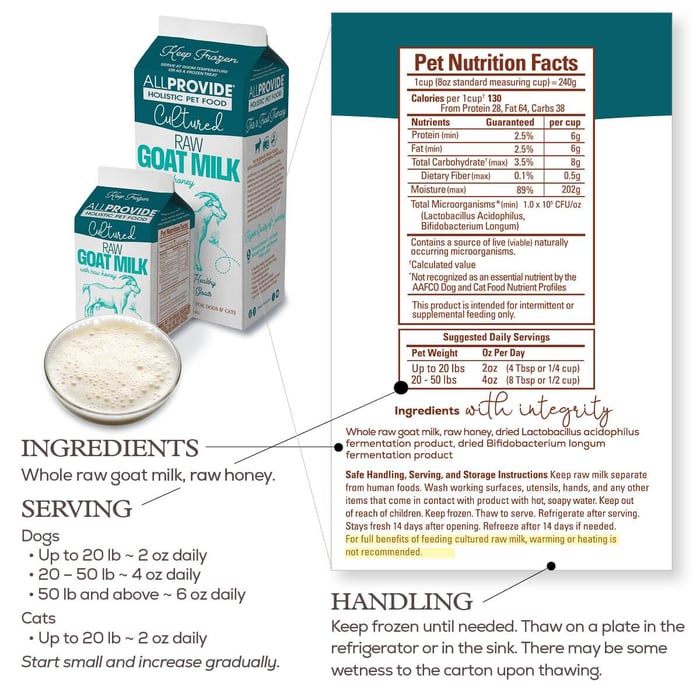
Whole raw goat milk and raw honey. Nothing else. No high-pressure processing, no pasteurization, no synthetics, no GMOs, no added hormones, and no harsh treatments. We let Mother Nature do it's job.
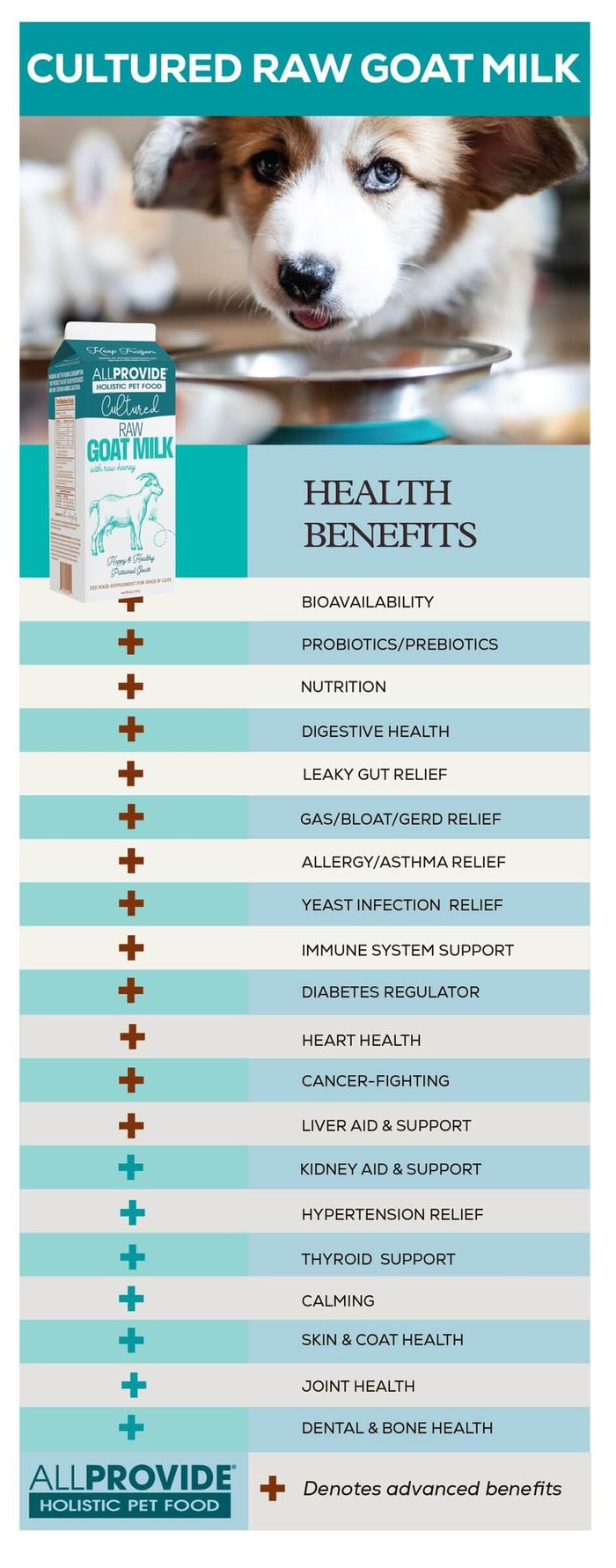 Graph: Various Health Benefits of Cultured Raw Milk From Gut to Glow:
The Incredible Health Benefits of Cultured Raw Goat Milk
Graph: Various Health Benefits of Cultured Raw MilkSettle the belly, calm the skin, nourish every cell. Cultured raw goat milk delivers live probiotics and natural prebiotics for smooth digestion, balanced microbiomes, and a healthy inflammatory response. Easy to absorb and gentle for sensitive pets, it offers full-fat nourishment in a simple pour that also supports skin, coat, and seasonal allergy comfort.
Probiotic Milk is Far More Effective than Pills & Powders
Survival through the gut: Milk naturally buffers stomach acid, allowing more probiotics to reach the intestines alive.
Food-state cofactors: Enzymes and organic acids in the milk help microbes activate and perform quickly.
Microbial diversity: Thousands of strains yield a broad array of beneficial metabolites for digestion, stool quality, and skin health.
Taste and Habit: Tangy and delicious, easy to serve daily.
Wholefood function: Fermentation creates compounds that improve gut environment and barrier integrity, something capsules cannot provide.
Happy Goats. Happy Farmers.
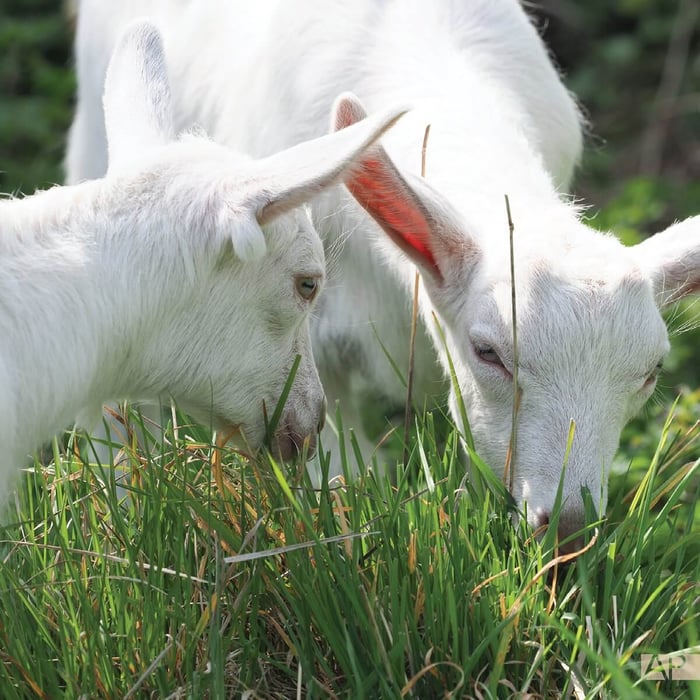
Our milk comes from regenerative small family farms in the valleys of Pennsylvania. Goats graze freely on their diverse pasture grasses, wildflowers, and seasonal forage, with a small organic ration only during milking. The honey comes from a local family apiary that strains without pasteurizing, preserving its natural enzymes and pollen flora.
Healthy soil supports healthy forage, healthy forage supports healthy goats, and healthy goats produce nutrient-rich milk. This simple chain of stewardship is what makes the difference in every pour.
Store Fresh. Serve with Confidence.
Storage, Handling, and Safety
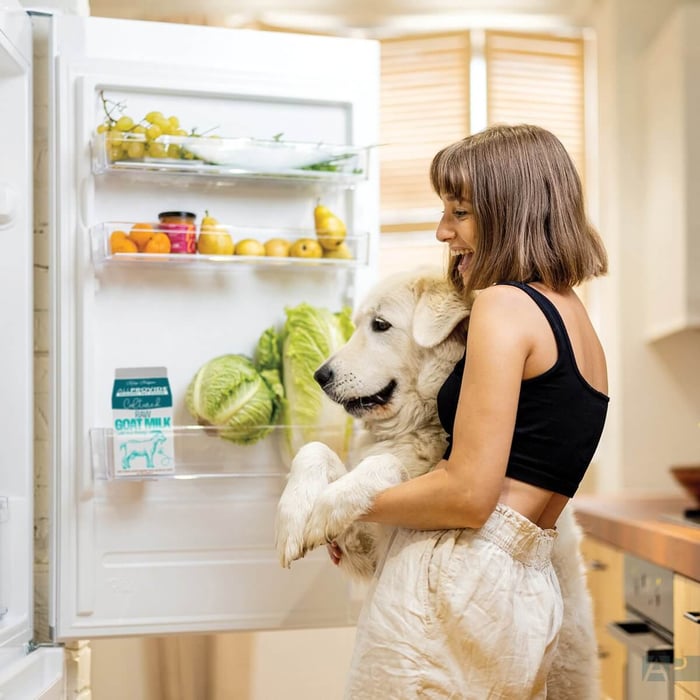
Keep frozen until needed. Thaw on a plate in the refrigerator or in the sink. There may be some wetness to the carton upon thawing. Then we like to transfer to a glass jar and keep refridgerated for up to 14 days. Shake gently before serving to move the possible curds. We recommend to serve at room temperature for live activity and avoid heating. You may refreeze in small portions if convenient. Beneficial lactic acid bacteria maintain a low pH that discourages spoilage, so the food remains biologically safe.
Room Temperature Is Your Friend
This is a living food. At room temperature, beneficial microbes continue to multiply, which raises probiotic counts and lowers pH. The milk stays naturally stable. Expect extra tang or soft curds over time; both indicate an active, healthy culture.
How to Use It Like a Pro
Dogs
• Up to 20 lb ~ 2 oz daily
• 20 – 50 lb ~ 4 oz daily
• 50 lb and above ~ 6 oz daily
Cats
• 1 – 2 oz daily
Start small and increase gradually. Pour over raw or gently cooked meals, mix into kibble, spread on a lick mat, or freeze in moulds for a cool probiotic treat.
"Real food doesn’t have ingredients, real food IS ingredients." ~ Jamie Oliver.
Cultured Raw Goat Milk: Now Available in Pints & Half Gallons
Summary
Cultured Raw Goat Milk for Pets: Little Superfood. Big Benefits.
Revel in our newest addition: Cultured Raw Goat Milk with Raw Honey, the silky wholefood topper that boosts nourishment in any meal. Made from happy pasture-raised goats residing on old-world family farms in Pennsylvania, this cultured raw milk is full-fat and wild-fermented at cool temperatures with select starter cultures plus raw wild honey. That guided wild fermentation creates billions of diverse probiotics, natural enzymes, and food-state vitamins and minerals in a creamy matrix that pets bodies can actually use. Serve at room temperature for better survival through the gut and visible benefits in real life. The result is calmer digestion, steadier stools, glossy coats, hydrated bodies, and bright eyes. Tangy, not sweet. Gentle for sensitive bellies. No HPP, no synthetics, just whole raw goat milk and raw honey doing what real food does best. Works with any diet (especially kibble), for a jump start into better nutrition and health. Start small, build to 2–6 oz for dogs or 1–2 oz for cats, and let the bowl do the talking.
Reboot their Diets:
Thaw, pour, and elevate every meal with our Cultured Raw Goat Milk.
The Takeaway: A Small Pour With Big Results.
FAQs
How do I thaw frozen milk?
We recommend thawing our products on a plate at room temperature, which can take approximately
6 hours. If you choose to thaw products in the fridge, it will take between 24-28 hours, depending on volume.
Feel free to thaw, portion, and refreeze our products if necessary. We always recommend limiting plastic exposure by using freezer-safe, temperature-resistant glass storage containers.
Can I refreeze the milk once thawed?
Yes. Although we found it’s nutritionally better to thaw and use milk until finished.
How long can I keep it in the refrigerator?
Once you’ve thawed the Cultured Raw Goat Milk, it can be safely refrigerated for 30 days.
How long can it sit out?
Cultured Raw Goat Milk can safely sit out at normal room temperature for at least 12 to 24 hours.
How do I introduce Cultured Raw Goat Milk into my pet’s diet?
Cultured Raw Goat Milk is highly bioavailable and packed with living probiotic bacteria. It’s an excellent foundation for a healthier diet! Begin by adding a small amount, just a teaspoon or a fraction of the recommended daily serving, to their regular meals. As their digestive system adapts to the beneficial bacteria, you can gradually increase the portion until reaching the whole daily serving that works best.
Is it okay to mix in with kibble or other commercial diets?
It’s perfectly fine to add milk to any diet, even with processed food or kibble. In fact, we encourage gateway feeding; adding a superfood, such as our milk, is an excellent start to boost nutrition and your pet’s wellbeing. The benefits and advantages of adding this to any diet vastly outweigh any potential concerns.
Is it necessary to add milk to your other products?
Our raw milk is highly nourishing and ideal for enhancing the nutritional value of any diet. Live enzymes provide an excellent delivery system of probiotic benefits and are highly beneficial. We recommend adding raw milk for an
additional dietary advantage; it’s an ideal way to add more moisture and diverse nutrients to any diet. However, it’s not “necessary” as our recipes are nutrient-dense and provide nourishment. Our raw products are particularly rich in nutrients, as they have not undergone any cooking processes that would denature them.
Do I serve the milk alone or mix into a diet?
Serving preference is up to you, or let’s be honest, your pet’s!
Does the honey sweeten the milk? Is there sugar?
No, it isn’t sweetened, nor is there sugar in Cultured Raw Goat Milk. Raw honey is antimicrobial and is used as a starter for wild fermentation. During fermentation, the bacteria and yeasts use the sugar from raw honey as food; they’re pre-metabolized (eaten/ broken down) by bacteria (probiotics) and converted into lactic acid, organic acids, enzymes, and beneficial compounds.
Honey sparks a co-fermentation process that creates an unusually diverse, potent, and resilient probiotic food. It’s nature’s way of blending two living systems (goats and bees) into one synergistic culture.
My carton leaked a little. Why does this happen?
Our milk product comes frozen in eco-friendly, recyclable cartons, which are healthier for pets and the planet, but are not 100% leak-proof. We recommend thawing them on a plate or in the sink to catch any possible drainage that may occur. For optimal handling and storage practices, we recommend the following: once the carton is fully thawed, transfer its contents into a safe, airtight glass container and recycle the original packaging.
My milk smells sour, has it gone bad?
No. Cultured raw milk are also known as sour milk. They should taste and smell somewhat tart, with small curds throughout. This will vary slightly from batch to batch as cultivating is a natural process. As milk sits in the fridge and continues to ferment, the sour smell will amplify and become more curdled. The more sour the smell, the safer and more nutrient-dense the milk is.
My milk has curds, is this normal?
Yes. Curds are normal, and they’re healthy. Seeing curds in the milk indicates that good bacteria are continuing to do its work by predigesting the milk. The rule of thumb: the more curds, the healthier and nutrient-dense it is.
The milk is a different color, is this normal?
Yes. Our milk is not homogenized or pasteurized. As a living wholefood, each batch will vary in appearance and texture, depending on what the goats eat during a particular season. This is perfectly normal.
Specifically, what makes our Cultured Raw Goat Milk better than other milks?
Our Cultured Raw Goat Milk with Wild Fermentation combines the complete nutrition of raw milk with the richness of diverse, naturally occurring microbes from raw honey and the environment. This creates a superior product that’s not only easier to digest but also delivers a broader spectrum of probiotics to support gut health, immunity, and whole-body balance in pets.
Pasteurized milk loses its living qualities, including enzymes, probiotics, immune proteins, and specific vitamins,
resulting in a less nutritious and less bioavailable food. This makes pasteurized milk harder for pets to digest and potentially irritating to sensitive stomachs.
Plain fermented milk does restore some probiotics, but because it usually relies on a limited starter culture, it
contains far fewer strains compared to wild fermentation. This results in less microbial diversity, reduced resilience, and balance in the gut microbiome. Since it is often made from pasteurized milk, it starts with fewer enzymes and immune-supporting factors.
Isn’t milk bad for cats and dogs?
Cultured Raw Goat Milk is not only GOOD for pets, it is tremendously beneficial. To understand why, it is important to understand the vast difference between raw milk and pasteurized milk.
Most pets are unable to tolerate pasteurized milk. It’s known as one of the most allergenic foods. In fact, pasteurization has a significant negative impact on the nutritional qualities of milk, so it’s no surprise that it’s regarded as problematic for pets. Pasteurization denatures and destroys many nutrients, to the extent that synthetic vitamins are often added back after the process.
Pets that are lactose intolerant suffer from problems digesting pasteurized milk. Pasteurization damages the enzyme lactase, which is necessary for digesting lactose.
In contrast, pets thrive on Cultured Raw Goat Milk.
My pet is lactose-intolerant. Can I still feed your milk?
Yes, most pets that are lactose intolerant can tolerate cultured raw milk. In contrast to all commercial milks, pasteurization damages the enzyme lactase, which is required to digest lactose. Raw milk contains perfectly healthy and intact lactase enzymes, allowing for easy digestion of milk. In addition to raw milk, using wild fermentation causes milk sugars (lactose) to be almost entirely consumed by its probiotic bacteria, leaving virtually no lactose behind.
Is full-fat raw goat milk good for my pet?
Yes. The butterfat in whole, unprocessed raw milk, particularly butterfat in raw milk from goats that graze outside on green pasture, contains vital nutrients like fat-soluble vitamins (A ,D, E, and K), calcium, vitamin B6, B12, and CLA (conjugated linoleic acid, a fatty acid naturally occurring in milk that reduces body fat and protects against cancer). Removing fat from milk is detrimental to its nutritional value and can even be harmful to the body. Designed by nature, protein needs to be paired with healthy fat to be adequately utilized by the body.
Is it a better source than probiotic supplement pills & powders?
Yes. The probiotics found in cultured raw milk are in their natural food state, which is vastly more diverse, effective and potent than found in any supplement, pill, or powder, up to 200x more! The living, thriving probiotic bacteria have micronutrients essential for pet body’s daily functions. Pets that consume a variety of live probiotic bacteria enjoy enhanced microbial diversity and intestinal balance.
Is Cultured Raw Goat Milk a good source of probiotics?
Absolutely. Raw dairy inherently contains over 200 species of healthy bacteria. Our milk is further enhanced when we culture our goat milk, adding over 3000+ microbial strains. It contains billions upon billions of living, thriving bacteria (probiotics) per ounce.
What happens if the milk sits out for a period of time?
Instead of spoiling, the good bacteria multiply even more, creating an environment that becomes even less hospitable to harmful bacteria. In fact, probiotic counts actually increase at room temperature.
How does fermentation make Culture Raw Goat Milk safe for pets?
Fermentation uses beneficial bacteria to protect food from harmful bacteria. In our Cultured Raw Goat Milk, billions of lactic acid bacteria naturally crowd out and destroy pathogens like Salmonella. This makes the milk safe, stable, and longer-lasting without the need for heat or chemicals.
Does Cultured Raw Goat Milk have histamines?
Cultured raw goat milk made with wild fermentation from raw honey contains very low levels of histamine
compared to other fermented foods.
Histamine is a type of naturally occurring biogenic amine that forms as food breaks down. In healthy pets, the digestive system is well equipped to process histamines. Enzymes in the small intestine, especially diamine
oxidase (DAO), supported by monoamine oxidase (MAO), break down histamines and other biogenic amines
efficiently, preventing them from accumulating in the body.
The diverse microbial community from honey helps balance fermentation, often reducing the dominance of
histamine-producing bacteria. For most healthy pets, the histamine levels are not a concern. Caution is only
applicable to pets on MAOI medications or those with special histamine sensitivity.
What if my pet has loose stool/gas or is constipated? and why?
Loose stool, gas, or diarrhea is not necessarily a sign of the inability to digest Cultured Raw Goat Milk. Instead, it’s an indication of an imbalanced or unhealthy gut microbiome. Typically, when a pet has been eating highly processed food, they’re not accustomed to digesting healthy live probiotics. Adding cultured milk to their diet can sometimes cause a detox response, or the body corrects itself by purging toxins from their systems with the presence of billions upon billions of probiotics or good bacteria. Gradually introducing cultured milk in smaller portions should minimize this by allowing their bodies to adjust, diversify their gut microbiome, and heal themselves with healthy bacteria.
For loose stool: reduce the amount of food/milk until resolved. Or fast for 24 hours then reintroduce food again slowly. Ensure fresh water is readily available to the pet during the fasting period.
For constipation: we recommend serving Cultured Raw Goat Milk. If you are already feeding the milk, increase the amount. Always keep fresh water available.
*These statements and products have not been evaluated by the FDA. They are not intended to diagnose, treat, cure, or prevent any disease or condition. If your pet has a health concern or condition, consult a veterinarian.
**For any medical emergency, please contact your veterinarian or a local emergency veterinary hospital immediately
With grass allergies, will it affect my pet if the milk is from grassfed goats?
No, it will not affect your pet’s allergies. While all proteins have a different composition, when ruminants (grazing livestock) consume grass, the grass material is broken down, converted, and separated into individual nutrients, and are absorbed by the animal. It no longer remains “grass”.