Table of Contents
- Cultured Raw Goat Milk for Dogs & Cats | TCVM BenefitsHow Fermented Raw Goat Milk Fits Into TCVM
- What Is Fermented Raw Goat Milk in TCVM?
- A Brief Introduction to TCVM and Food Energetics
- Why Fermented Raw Goat Milk Is Different
- Regenerative Small Family Farm in Lykens, PA
- Probiotics, Gut Health, and Digestive Support
- Nutritional Benefits of Cultured Raw Goat Milk
- How Fermented Raw Goat Milk Fits Into TCVM
- Cultured Best Uses and Who It Is Best Suited For
- Important TCVM Considerations
- A Living Food With Purpose
- FAQs
Cultured Raw Goat Milk for Dogs & Cats | TCVM Benefits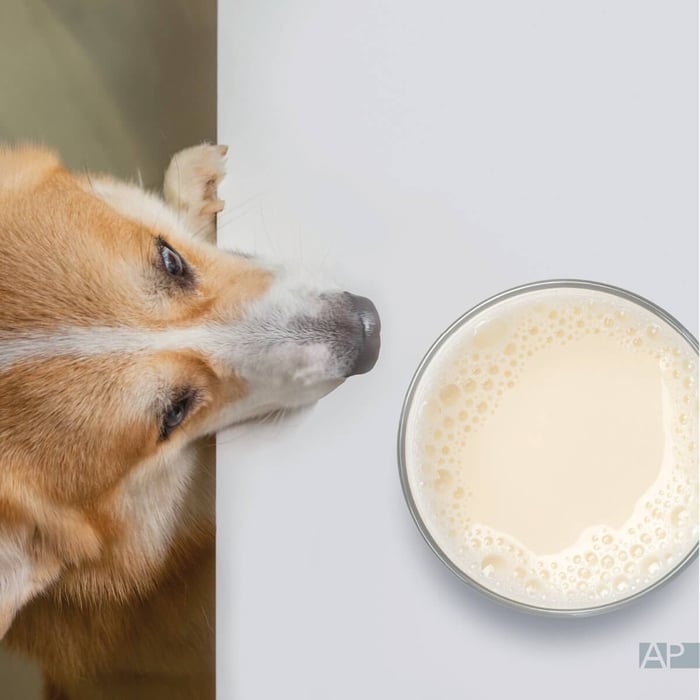 How Fermented Raw Goat Milk Fits Into TCVM
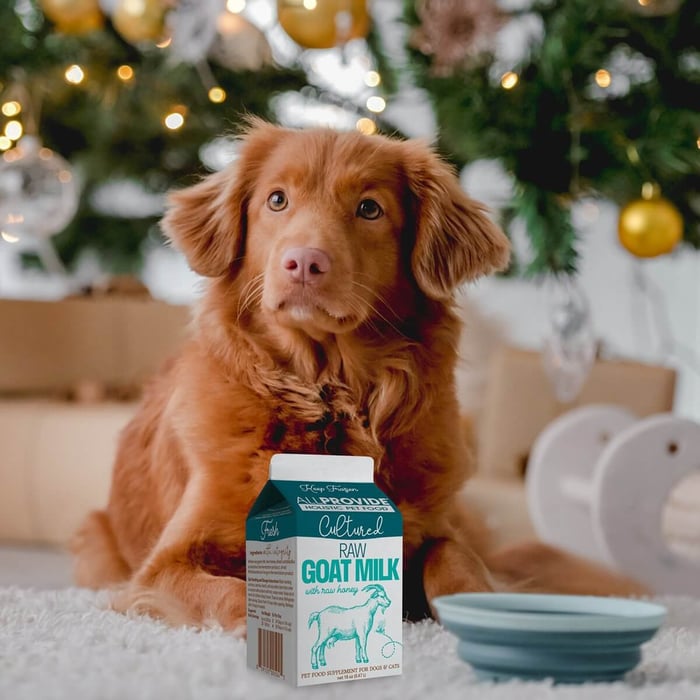
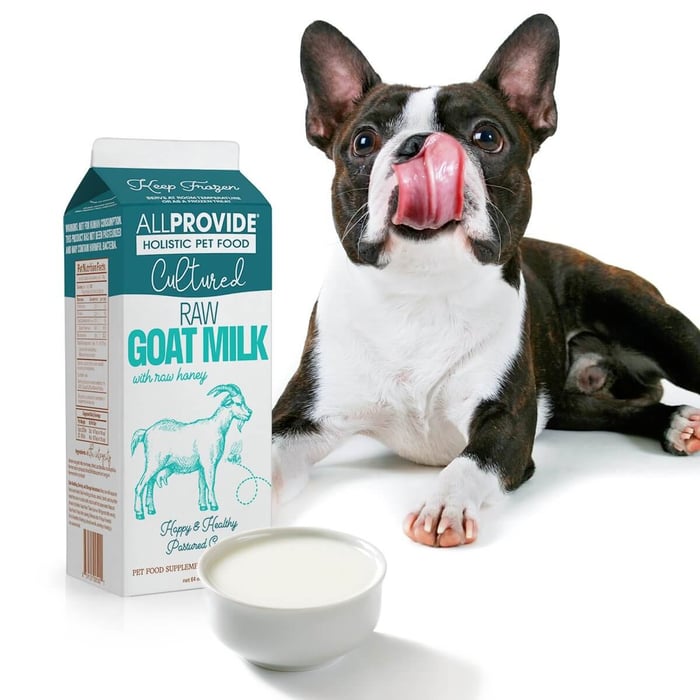
Cultured Raw Goat Milk in TCVM: There's little doubt about the nutritional benefits of this milk which aid healthy digestion, the microbiome, skin, hydration, and overall well-being in dogs and cats, but little is known through the lens of Traditional Chinese Veterinary Medicine (TCVM) or TCVM Food Energetics. In TCVM, cultured raw goat milk is best understood as a warm-to-neutral, nourishing food with a fermented sour aspect that supports gut-brain axis and rebuilding. Learn why cultured, unpasteurized goat milk from pasture-raised goats living on regenerative land is a probiotic-rich functional food, how it fits into Traditional Chinese Veterinary Medicine, and which pets benefit most.
What Is Fermented Raw Goat Milk in TCVM?
In Traditional Chinese Veterinary Medicine, food has an energetic nature, a direction, and a purpose in the body. TCVM food energetics looks at whether a food helps warm, cool, moisten, dry, tonify, move, or drain. It asks how that food supports the individual pet’s constitution, digestion, energy, skin, immune system, and overall balance.
That is what makes fermented raw goat milk so compelling.
AllProvide’s Cultured Raw Goat Milk is not pasteurized. It's a living, fermented food made from raw goat milk sourced from happy, pasture-raised goats eating their native diets. That matters from both a nutritional and energetic perspective. The health of the soil, the diversity of the pasture, the quality of the forage, and the wellbeing of the animal all influence the quality of the milk. In TCVM terms, vitality at the source matters.
This is not a conventional dairy product. It is a biologically active food.
A Brief Introduction to TCVM and Food Energetics
TCVM, or Traditional Chinese Veterinary Medicine, evaluates food by how it behaves in the body. Some foods are warming, some cooling, some drying, some moistening. Some build Qi and Blood. Some support digestion. Some help move stagnation. Some are better for weakness and deficiency, while others are better for excess patterns like heat, dampness, or inflammation.
Dr. Judy Morgan often teaches that whole foods should be matched to the pet in front of you. That means there is no universal “perfect food” for every animal. Instead, the best food is the one that best supports the pet’s current pattern and constitution.
In that framework, cultured raw goat milk falls into a very interesting category. It is both nourishing and functional. It is rich yet digestible. It is moistening yet active. It supports the gut while also offering a deeper level of nourishment.
 Why Fermented Raw Goat Milk Is Different
Not all milk is created equal, and not all dairy behaves the same way in the body.
Is there a difference between FERMENTED raw goat milk and CULTURED raw goat milk? Not really. At AllProvide, cultured refers to the guided fermentation method, while fermented refers to the living, probiotic-rich final food. They are two ways of describing the same functional product. Put simply, cultured speaks to the process, while fermented speaks to the functional umbrella result.
AllProvide’s Cultured Raw Goat Milk starts with raw milk from pasture-raised goats. These goats graze species-appropriate, native diets, which influences the nutrient profile of the milk. Raw milk from healthy, properly raised animals contains naturally occurring enzymes, beneficial fats, intact proteins, and bioavailable nutrients in their original form.
Add fermentation.
Fermentation transforms the milk into something even more functional. It creates beneficial bacteria, organic acids, enzymes, and postbiotic compounds that support digestion and gut resilience. It also helps pre-digest components of the milk, making it gentler and more accessible for many pets.
That is a major distinction.
Fermented raw goat milk is not pasteurized goat milk. It has not been heat-treated into a flatter, more altered product. Its living character remains intact. For pets, that means a more dynamic food with greater probiotic value, digestive support, and microbial activity.
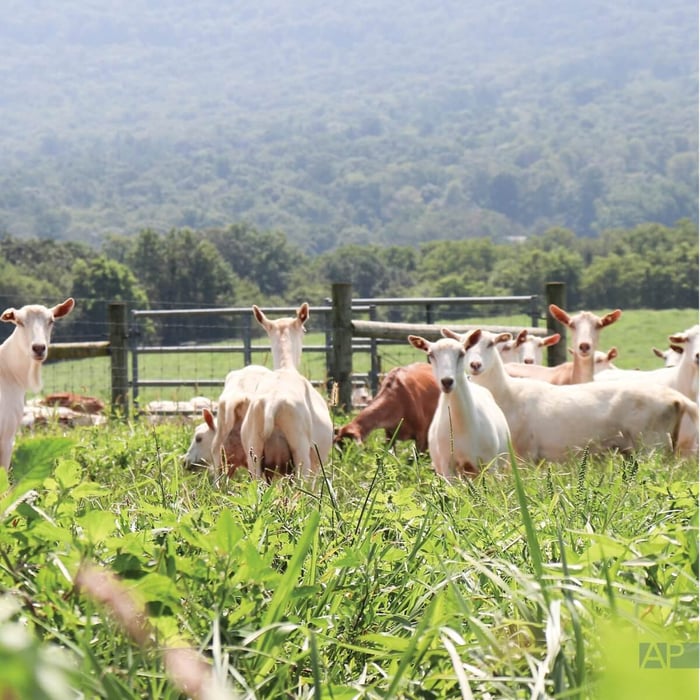 Regenerative Small Family Farm in Lykens, PA
Regenerative Small Family Farm in Lykens, PAProbiotics, Gut Health, and Digestive Support
One of the biggest benefits of fermented raw goat milk for dogs and cats is its support for the gut.
A healthy gut does far more than digest food. It influences immune response, skin health, stool quality, nutrient absorption, and even mood and vitality. In both modern wellness language and TCVM, the digestive system sits at the center of health.
This is where cultured raw goat milk shines.
Because it is fermented, it contains beneficial microbes that help support a healthy microbiome. Because it is raw, it retains more of its native biological integrity. Because it is goat milk, it is often easier to digest than conventional cow dairy.
For pets with delicate digestion, picky appetites, food transitions, post-antibiotic imbalance, or general gut stress, probiotic goat milk for pets can be a powerful addition to the bowl.
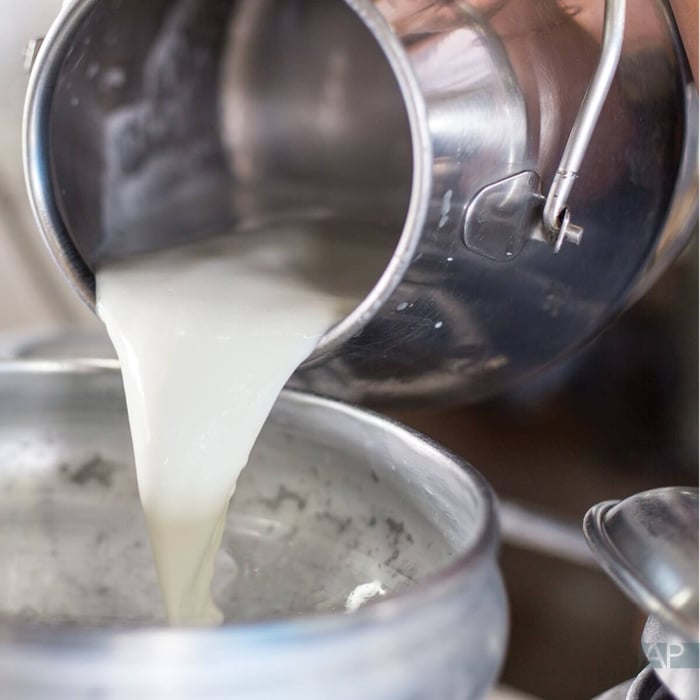 Nutritional Benefits of Cultured Raw Goat Milk
From a nutritional standpoint, raw goat milk for pets offers a broad range of benefits.
It delivers hydration, quality fats, protein, vitamins, minerals, and natural compounds in a highly usable form. Goat milk is often described as easier to digest than cow milk because of its smaller fat globules and different protein structure. Fermentation adds another layer by improving digestibility and contributing beneficial bacteria.
This makes cultured raw goat milk especially valuable for:
- digestive support
- hydration
- nutrient absorption
- combating inflammation & allergies
- skin and coat health
- microbiome balance
- recovery and rebuilding
- adding living cultured food to the bowl
For many dogs and cats, it functions beautifully as a topper, digestive support food, or restorative addition to meals.
 How Fermented Raw Goat Milk Fits Into TCVM
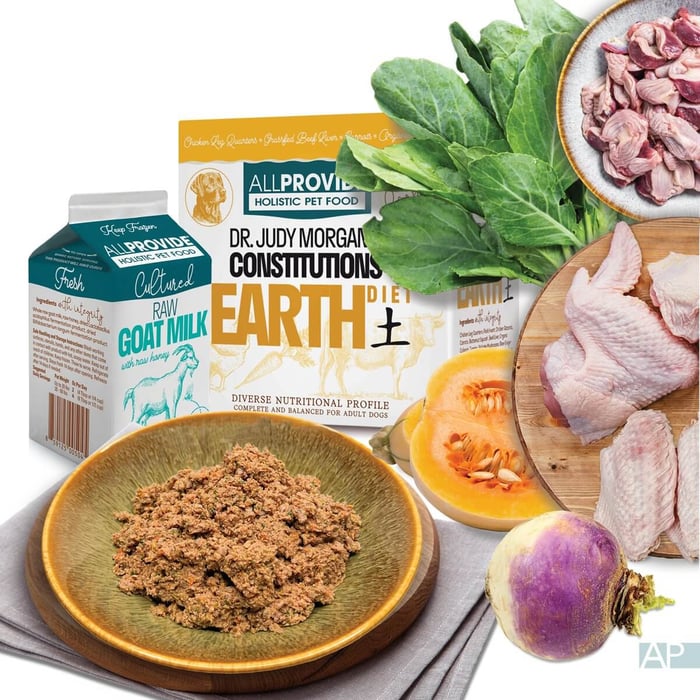
From a TCVM perspective, fermented raw goat milk fits most naturally into the Earth element, which governs the Spleen and Stomach, the center of digestion and transformation.
Earth is responsible for turning food into usable nourishment. When Earth is weak, pets may show poor appetite, loose stools, low energy, digestive sensitivity, or trouble maintaining condition. Foods that gently support the digestive center are often prized in TCVM.
Cultured raw goat milk belongs in that conversation.
Its naturally sweet, nourishing quality aligns with Earth. Its fermented, slightly tangy quality also adds a subtle sour aspect, which connects it to Wood and gentle movement. In practical terms, that means it can both nourish and enliven. It supports digestion without being harsh. It offers moisture and restoration while also bringing microbial activity and liveliness.
This makes it a beautiful bridge food: deeply nourishing, yet not stagnant.
Cultured Best Uses and Who It Is Best Suited For
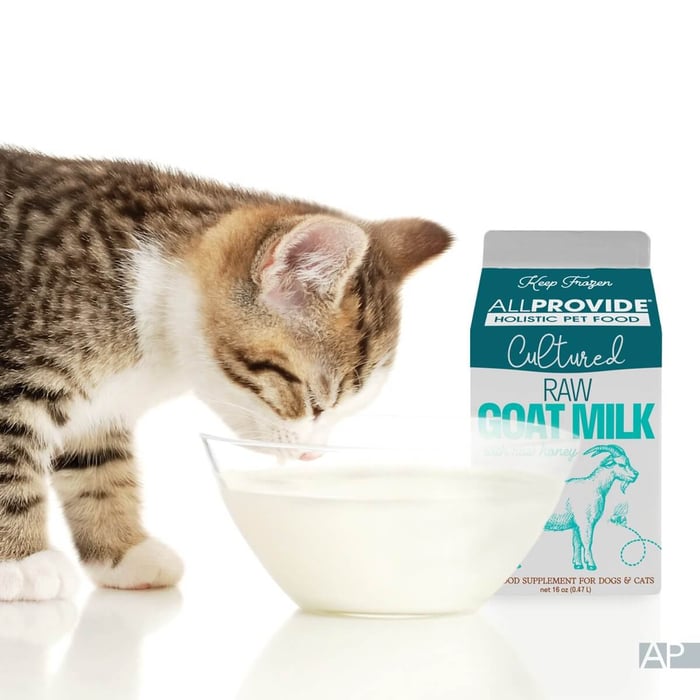
So, which pets are best suited for fermented raw goat milk? In general, it is especially well suited for dogs and cats who need:
- healthy immune support
- microbiome support
- better stool quality
- complete nourishment
- hydration
- support during food transitions
- help building or rebuilding after stress or depletion
It can be especially helpful for puppies and kittens, seniors, picky eaters, recovering pets, animals moving away from highly processed diets, and pets who benefit from more living, functional foods in their bowl.
From a TCVM standpoint, it is often most appropriate for pets showing signs of deficiency, dryness, low resilience, or digestive weakness that needs support rather than restriction.
Important TCVM Considerations
TCVM is always individualized.
Even a beneficial food has to match the pet. Dr. Judy Morgan’s framework makes that clear. While cultured raw goat milk can be an excellent digestive and restorative food, it may need to be used more carefully in pets with pronounced dampness, chronic loose stool, phlegm-heavy conditions, or patterns where excess moisture is already part of the problem.
In those cases, amount, frequency, temperature, and the rest of the diet matter.
That does not make fermented raw goat milk a poor choice. It simply means it should be used properly, as TCVM always intends, in context.
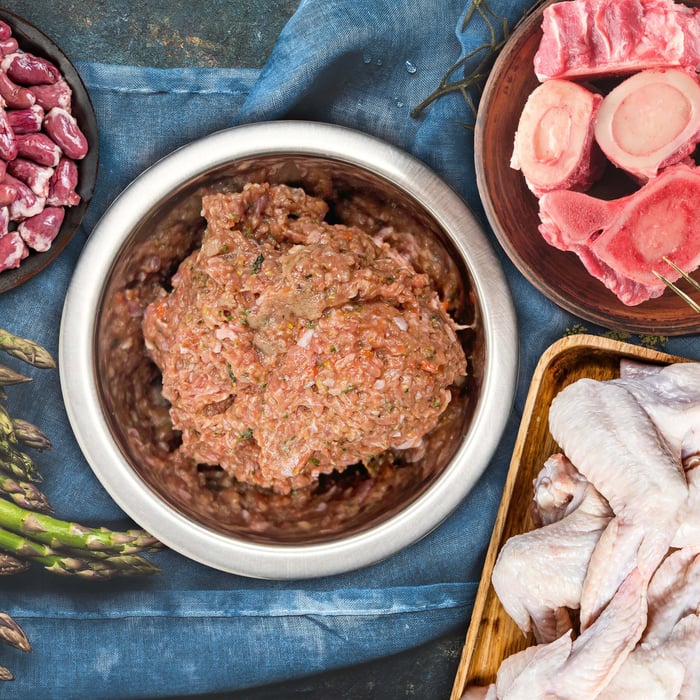
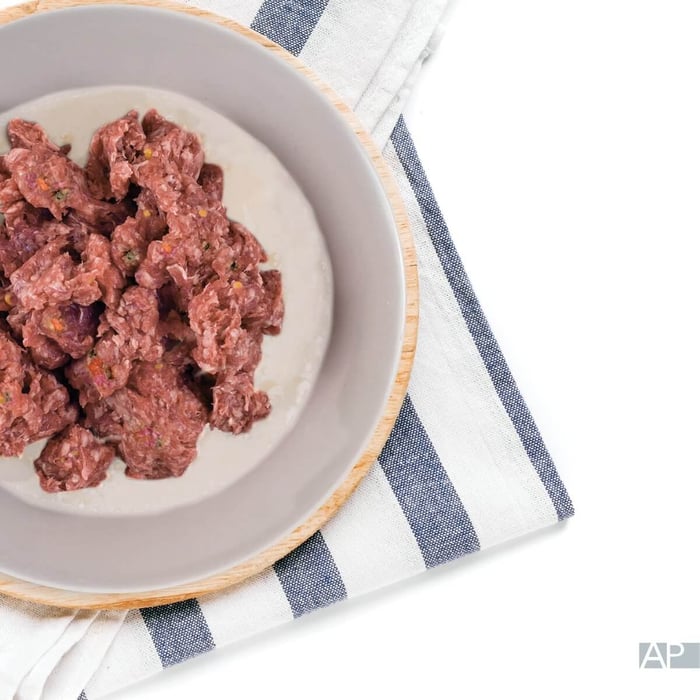
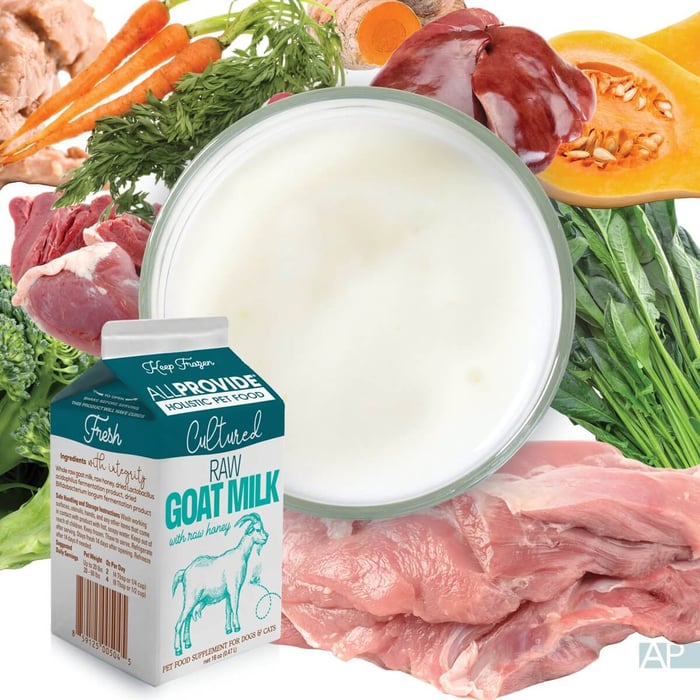 Cultured Raw Goat Milk with Turkey Recipe Ingredients.
Cultured Raw Goat Milk with Turkey Recipe Ingredients.Superfood Supplement for Dogs and Cats
A Living Food With Purpose
At its best, Cultured Raw Goat Milk in TCVM is more than a topper but more of a superfood. It is a living food with purpose.
It starts with pasture-raised goats living as goats should, eating the foods they were designed to eat. That vitality carries forward into the milk. Because the milk is raw, not pasteurized, its original character remains more intact. Because it is fermented, it gains probiotic richness, digestive value, and a deeper functional role in the bowl.
In TCVM, that makes perfect sense.
This is a food that nourishes, moistens, supports digestion, and helps restore balance. It belongs in the conversation around gut health, whole-food healing, and food energetics because it does what functional food should do: it supports the body in a way that is active, intelligent, and alive.
Summary
Cultured Raw Goat Milk in TCVM
Cultured Raw Goat Milk in TCVM explores how this living, probiotic-rich food supports digestion, gut health, hydration, skin, and overall vitality in dogs and cats. Made from unpasteurized milk from pasture-raised goats eating their native diets, AllProvide’s Cultured Raw Goat Milk offers both nutritional depth and energetic value. Through the lens of Traditional Chinese Veterinary Medicine, it is a nourishing, digestion-supportive food best suited for pets who benefit from gentle rebuilding, anti-inflammatory and microbiome support, and whole-food balance.
FAQs
Is Fermented Raw Goat Milk different from Cultured Raw Goat Milk?
Not really. At AllProvide, cultured refers to the guided fermentation method, whilefermented refers to the living, probiotic-rich final food. They are two ways of describing the same functional product. Put simply, cultured speaks to the process, while fermented speaks to the functional umbrella result.
How does fermented raw goat milk fit into TCVM food energetics?
In TCVM, it aligns most naturally with the Earth element because it supports the digestive center, especially the Spleen and Stomach. Its slightly tangy, fermented quality also gives it a subtle connection to Wood and gentle movement.
What is fermented raw goat milk in TCVM?
In Traditional Chinese Veterinary Medicine, fermented raw goat milk is viewed as a living, functional food that does more than provide calories. It offers nourishment, moisture, digestive support, and microbial activity that can help support balance in the body.
What types of pets may benefit most from a TCVM perspective?
It is often a strong fit for pets showing signs of deficiency, dryness, low resilience, or digestive weakness that need support and restoration rather than restriction.
In TCVM, what temperature should cultured raw milk be served?
We recommend serving cultured / fermented raw goat milk room temperature. The longer it sits out, the more the healthy beneficial bacteria grows = a healthy probiotic treat.
Why is fermented raw goat milk more than just a trend?
Because it combines whole-food nourishment, probiotic activity, digestibility, hydration, and food energetics in one living complete food. It supports the body in a way that is functional, restorative, and biologically alive.
Why is fermented raw goat milk considered a living food?
Because it is raw and fermented, it remains biologically active. It contains beneficial microbes, organic acids, enzymes, and postbiotic compounds that support digestion, gut resilience, and overall vitality.
How is fermented raw goat milk different from pasteurized goat milk?
Fermented raw goat milk has not been heat-treated (or HPP, pasteurized) into a more altered product. Its living character, probiotic value, microbial activity, and digestive support remain more intact.
Why does fermentation make raw goat milk more functional?
Fermentation helps pre-digest parts of the milk and creates beneficial bacteria, enzymes, organic acids, and postbiotic compounds. This can make the milk gentler, more accessible, and more supportive for many pets.
Why is goat milk often easier to digest than cow milk?
Goat milk is often considered easier to digest because of its smaller fat globules and different protein structure. Fermentation adds another layer of digestibility and gut support.
How does fermented raw goat milk support gut health?
It helps support a healthy microbiome by delivering beneficial microbes and living compounds that aid digestion, stool quality, nutrient absorption, immune response, and overall digestive resilience.
Can fermented raw goat milk support skin and coat health?
Yes. By supporting digestion, hydration, nutrient absorption, and microbiome balance, it can also help support healthier skin and coat condition.
Can fermented raw goat milk help with hydration?
Yes. It can be a valuable way to add moisture and nourishment to the bowl, especially for pets that need extra hydration or support during recovery and rebuilding.
Why is fermented raw goat milk associated with the Earth element?
In TCVM, Earth governs digestion, transformation, and the ability to turn food into usable nourishment. Fermented raw goat milk has a naturally sweet, nourishing quality that supports this digestive center.
Does fermented raw goat milk only nourish, or does it also hydrate?
It does both. It is nourishing and moistening, yet its fermented, slightly tangy nature adds activity and gentle movement, making it supportive without feeling overly heavy or stagnant.
Which health issues are prime for using fermented raw goat milk?
It is especially well suited for dogs and cats that need digestive support, microbiome support, immune support, hydration, better stool quality, gentle nourishment, skin and coat support, or help rebuilding after stress, depletion, or dietary transition.
What type of pets is fermented raw goat milk best suited for?
Building a healthy foundation of puppies and kittens. It can be especially helpful for seniors, recovering pets, picky eaters, and animals that need gentle nourishment, added hydration, and more living functional foods in their bowl.
Can fermented raw goat milk help during food transitions?
Yes. It can be a useful addition during transitions away from highly processed diets or whenever a pet needs digestive support while adjusting to dietary change.
In TCVM, are there pets that should use fermented raw goat milk more carefully?
Yes. In TCVM, it may need to be used more carefully in pets with pronounced dampness, chronic loose stool, phlegm-heavy conditions, or patterns where excess moisture is already part of the problem.
Does that mean fermented raw goat milk is a bad choice for pets with dampness?
Not necessarily. It simply means the amount, frequency, temperature, and the rest of the diet should be considered carefully, since TCVM always uses food in context of the individual pet.
Why does source quality matter in TCVM?
TCVM values vitality at the source. The health of the soil, the diversity of the pasture, the quality of the forage, and the wellbeing of the animal all influence the quality and vitality of the milk.
Why does AllProvide emphasize pasture-raised goats eating native diets?
Because the quality of the milk begins with the life of the animal and the quality of its environment. From both a nutritional and energetic perspective, well-raised goats on species-appropriate diets produce more vital, functional food.
How can fermented raw goat milk be used in meals?
It works beautifully as a topper, a digestive support food, a restorative addition to meals, or a simple way to add living nourishment to the bowl.
What does it mean that fermented raw goat milk is a “bridge food”?
It means it is deeply nourishing while still being active and functional. It helps restore and support without being overly heavy, making it useful for pets that need both nourishment and digestive support.